
One managed network for machinery, handhelds, quality systems, offices and yard, built around metal, motors and electrical noise, with operational technology kept apart from business IT. From one Make-in-India OEM: Lotus Alpha access points, NetForce switching and NetCloud Central.
Built for plants where downtime is expensive
A plant combines a radio environment full of metal, motors and electrical noise with a requirement most sectors never face: shop-floor operational technology and office IT share a site, but must not share a network (often an audit requirement too).
We survey with machinery running and stock in place, define segmentation before choosing hardware, and phase installation around shifts rather than asking for a shutdown. NetForce switching enforces the separation, the NetGuard gateway applies policy and NetCloud Central watches every area.
Production judges the network on a running shift, not a quiet commissioning day. Audit judges it on whether OT and IT stay apart.
Machinery, structural steel, conveyors and stacked materials reflect and absorb signal. Coverage depends on line of sight, not distance.
Motors, drives, welding equipment and switchgear add electrical noise that an idle plant never shows.
OT shares a site with business IT, not a network. Enforced in switching hardware, the separation can be documented for audit.
One Make-in-India OEM, with support direct from India-based engineers.
Lines are reconfigured, machinery moves and stock is restacked. A coverage design validated once is not permanent.
Access points, switching, gateway and cloud from one OEM, so faults are diagnosed rather than passed between suppliers.
Each capability links to the product that delivers it.
Surveyed with the plant running, Lotus Alpha AX820 units are placed for line of sight around machinery, not on an even grid. Ruggedised AX821 outdoor units carry the network to yard, loading and boundary.
Explore Lotus Alpha →The NetGuard X5 gateway gives contractors and visitors time-bound portal access: online, with no route into operational systems.
Explore NetGuard Controller →Machine control, production support, business IT, and building, security and guest traffic sit on distinct VLANs in NetForce switching, with inter-VLAN policy at the gateway. Isolation is structural, not a rule that can be misconfigured away.
Explore NetForce switching →NetCloud Central monitors every area and alerts when one degrades, before production staff report it. In manufacturing, that is the difference between maintenance and downtime.
Explore NetCloud →From the shop floor to the boundary wall, and exactly what we put behind each area.
They expect: Coverage around machinery and steel that holds up while the line runs.
We deliver: Lotus Alpha indoor units placed for line of sight, not an even grid, from a survey under load.
They expect: Handhelds and quality terminals in sustained use all shift.
We deliver: Density-oriented coverage on a production-support segment, separate from OT control traffic and office IT.
They expect: Coverage in plant rooms and service areas where maintenance staff work.
We deliver: Extended indoor coverage into those areas, with maintenance devices on the production-support segment.
They expect: Coverage that survives stock being restacked.
We deliver: Racking-aware placement, re-validated after layout changes instead of waiting for handheld failures.
They expect: Outdoor coverage in all weathers, out to the boundary wall.
We deliver: Ruggedised Lotus Alpha AX821 units, NetBeam fibre for runs too long for copper, and CCTV and access control on their own segment.
They expect: Office systems, ERP access and staff devices with no path into production.
We deliver: Business IT on its own VLAN, away from OT, with visitor access segmented separately.
The products behind this solution.
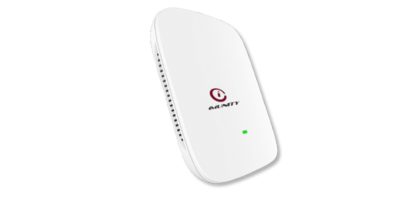
Indoor coverage for production, assembly and quality areas.
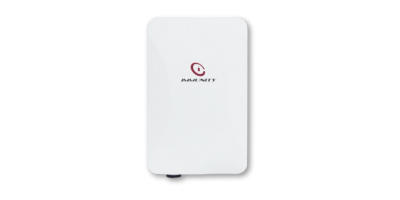
Ruggedised, weather-resistant access point for yard, loading and boundary.
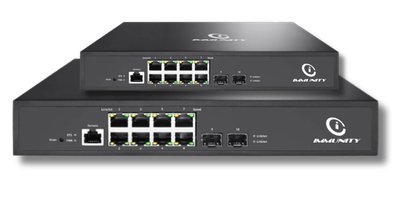
Managed PoE access switching, one VLAN per traffic class.
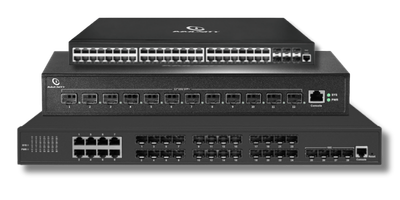
Core and distribution for larger, multi-building plants.
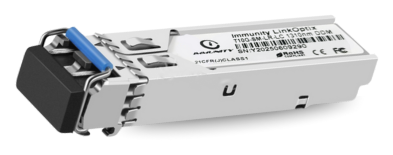
Fibre transceivers for runs too long for copper.
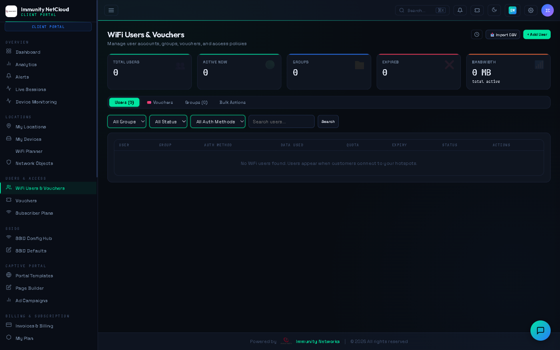
Central monitoring across one plant or several.
They can share physical infrastructure while staying strictly separated: distinct VLANs enforced in NetForce switching hardware, with policy at the NetGuard gateway. Because the separation is structural, it can be documented for audit.
By surveying with the plant running rather than idle, and designing placement and channel plans around the noise actually present. We then validate during a live shift, including the noisiest points of the cycle.
Coverage changes with layout. We recommend re-validating the affected areas after significant changes: a short exercise compared with diagnosing intermittent handheld failures.
Yes. Ruggedised Lotus Alpha outdoor access points extend the same managed network to yard, loading and boundary areas, with NetBeam fibre for runs too long for copper.
Yes. Immunity is a Make-in-India OEM, and we provide local-content documentation per model on request, which matters where procurement favours domestic supply. Support comes direct from India-based OEM engineers.
To quote, send a site layout marked with construction type, busiest-hour device counts (not headcount), the traffic classes to keep separate, existing cabling and comms rooms, and where today’s network fails. We return a design document you are free to tender against.
Read how comparable projects were scoped, built and run day to day.
Passenger Wi-Fi across six international terminals, run from one NetCloud console.
Read case study →AviationStandard public Wi-Fi at 13 regional airports, rolled out with zero-touch provisioning.
Read case study →HealthcareBranded guest Wi-Fi kept apart from clinical and admin systems.
Read case study →Tell us about your sites and users. Our India-based engineers will recommend the right stack and send across datasheets and pricing, usually within one business day.