
PM-WANI lets shops, cafés, kiosks, local ISPs and small businesses sell public Wi-Fi access as a Public Data Office (PDO). Immunity Networks is a PDO Aggregator (PDOA): you provide the location and the broadband, and we provide the access points, the captive portal with billing, and the platform behind them.
Your PDO Aggregator under PM-WANI
This page is for people who want to run public Wi-Fi as a business: shop owners, cafés, entrepreneurs, cable operators, local ISPs and venue owners. Under the DoT PM-WANI framework a PDO needs no licence, no registration with DoT and pays no fee to DoT. You work under a PDOA, which aggregates many PDOs and provides the platform, authorisation and compliance behind them.
The public find and connect to hotspots through apps from registered App Providers, and the Central Registry of participants is maintained by C-DoT. As your PDOA, Immunity runs the NetGuard portal and billing and the NetCloud Central platform. Need office or campus Wi-Fi instead? See enterprise Wi-Fi.
You keep the power and broadband on. Everything else should run without you.
PDOs work through a PDOA rather than holding a telecom licence. We confirm the current requirements for your site in writing during onboarding.
One access point for a single shopfront is often enough. Larger venues and outdoor areas are surveyed first.
Customers connect through a PM-WANI app or the captive portal and buy a time or data plan.
Revenue is accounted between you and the PDOA on the same platform that carries the traffic.
Mandatory IPDR records are retained centrally, so you do not maintain logging infrastructure on site.
Hotspot users cannot reach your billing machine, cameras or back-office computer.
Each capability links to the product that delivers it.
The Lotus Alpha OD is a weatherproof outdoor Wi-Fi 6 unit for streets, shopfronts and open spaces. Indoor coverage uses the Lotus Alpha AX820. Both are designed and manufactured in India.
Explore Lotus Alpha outdoor →The NetGuard X5 Controller runs the captive portal, user identification at onboarding, and prepaid or voucher billing.
Explore NetGuard Controller →NetCloud Central keeps IPDR records in tamper-evident storage with configurable retention aligned to DoT requirements. Compliance becomes a report rather than a project.
Explore NetCloud Central →Zero-touch provisioning brings a new hotspot online quickly. Support comes from Immunity’s India-based engineering team, direct from the OEM that makes the hardware.
About PM-WANI →Public Wi-Fi works where footfall pauses. Here is what we put behind each kind of site.
They expect: Customers who sit for a while to buy access without asking staff for help.
We deliver: One indoor access point in most cases, with time plans and vouchers on the portal.
They expect: Coverage across the pavement and open frontage, in heat and monsoon.
We deliver: Weatherproof Lotus Alpha OD units mounted outside, managed from the same platform.
They expect: Many short sessions from people waiting, at predictable peaks.
We deliver: A surveyed design for the crowd at its busiest, with short time plans on the portal.
They expect: Regular residents who buy data plans, with their own business network kept apart.
We deliver: Data plans and vouchers, with hotspot traffic isolated by VLAN segmentation and gateway policy.
They expect: A cluster of hotspots on their own broadband, run without a large team.
We deliver: Several sites under one PDOA platform, with zero-touch provisioning and one console.
They expect: Affordable access where mobile data is costly or weak indoors.
We deliver: An honest look at local demand first, then a kiosk or shopfront hotspot sized to it.
The stack a PDO runs on, designed and made by Immunity in India.
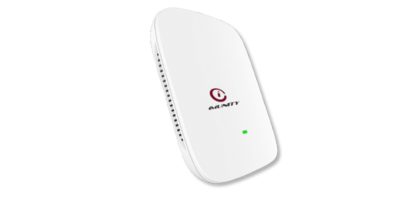 Indoor wireless
Cafés, shops and waiting rooms.
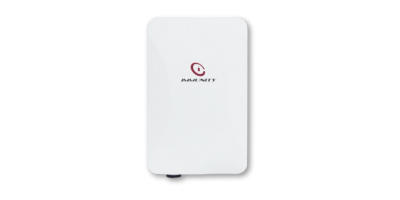 Outdoor wireless
Streets, markets and open spaces.
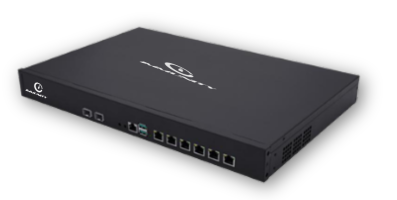 Portal & billing
Captive portal, authentication and billing.
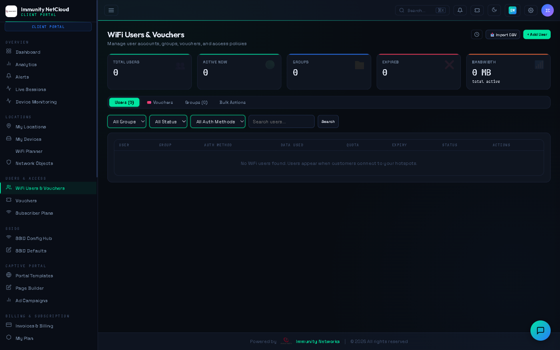 Platform
Central logging and management.
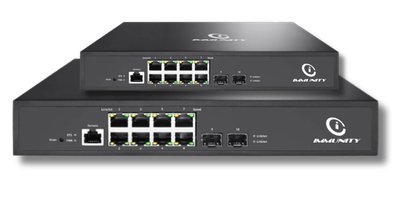
 8-port PoE+
Powers several access points at one site.
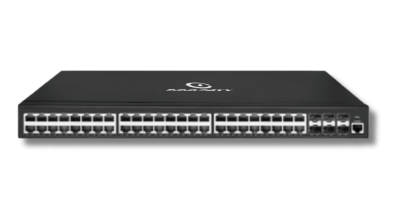
 PoE switching
Managed switching for larger venues.
A PDO is the venue that hosts the hotspot and sells access to the public. A PDOA aggregates many PDOs and provides the platform, authorisation and compliance behind them. Immunity Networks is a PDO Aggregator; you, the venue, are the PDO.
No. Under the DoT PM-WANI framework a PDO needs no licence, no registration with DoT and pays no fee to DoT; you work under a PDOA. Requirements can change, so we confirm the current position for your deployment in writing during onboarding.
Through PM-WANI apps from registered App Providers, or through the captive portal on their phone. The Central Registry of participants is maintained by C-DoT. Users are identified at onboarding and then buy a time or data plan, or a voucher.
Yes. Hotspot traffic is kept separate from your business network using VLAN segmentation and gateway policy, so customers on the hotspot cannot reach your internal systems.
For a single shopfront, often one. Larger venues and outdoor areas need a site survey, and we size the equipment before quoting.
We do not publish income projections. Earnings depend on footfall, dwell time, local demand and mobile data competition. We walk through those for your site honestly, and if it is not suited, we say so.
Tell us where your location is and roughly how many people pass through it. Our team will explain what is involved, what it costs and whether it makes sense for your site.
Deployments where this stack already runs, with the environment, the equipment and what changed.
Passenger Wi-Fi across six international terminals, run from one NetCloud console.
Read case study →AviationStandard public Wi-Fi at 13 regional airports, rolled out with zero-touch provisioning.
Read case study →HealthcareBranded guest Wi-Fi kept apart from clinical and admin systems.
Read case study →Tell us about your sites and users. Our India-based engineers will recommend the right stack and send across datasheets and pricing, usually within one business day.